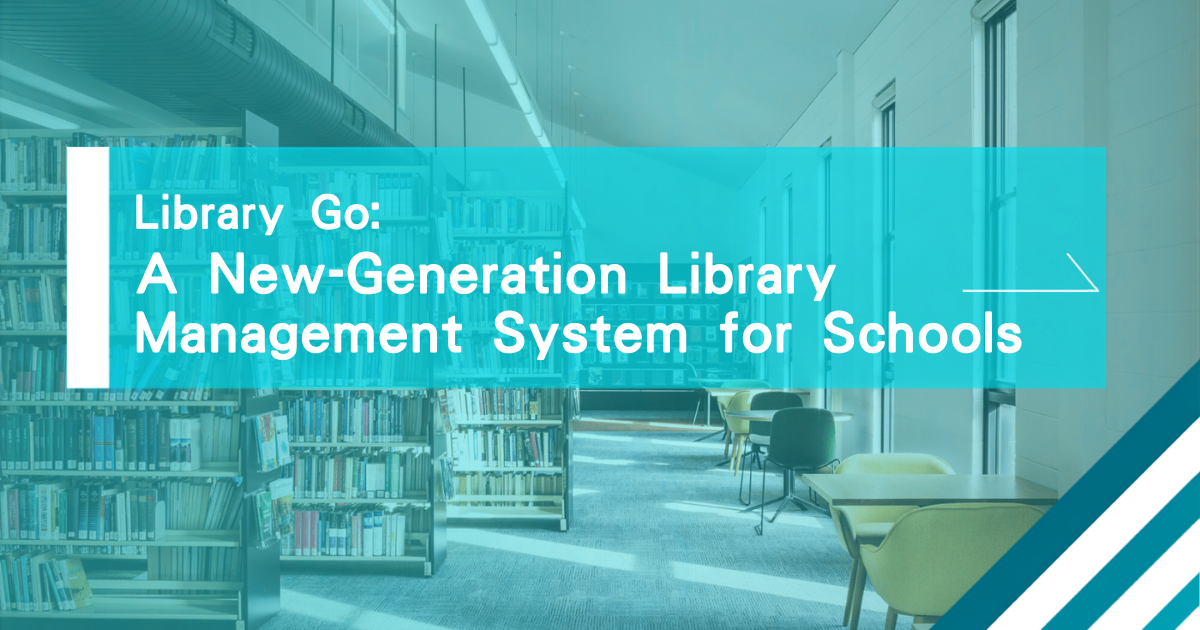
A Library Management System supports the daily operation of a school library. It helps staff maintain catalogue and item records, process borrowing and return transactions, track item status, carry out stocktaking and prepare reports. These functions keep a physical collection organised and help students find and borrow books.
Library Go is a new-generation Library Management System for schools. It supports core library operations while adding AI-powered reading-promotion tools that help students discover books, take part in reading activities and receive recognition for their reading effort.
As schools review their Library System, the question is no longer only whether it can record a loan or produce a report. The system also needs to support how the library encourages students to return, explore and engage with books over time.
The operational role of a Library Management System
The Library Management System is where the library’s working records are maintained. It holds catalogue information that helps staff and students search for titles, alongside item records that show whether a copy is available, on loan, being processed or requires attention.
It also records the circulation activity behind the counter. When a book is borrowed or returned, the system updates the relevant item record and keeps a history of library activity. During stocktaking, staff need a clear view of which items have been checked, which remain outstanding and which records may require follow-up.
These are familiar requirements for schools using Library Systems in Hong Kong. Library Master, for example, lists book circulation, cataloguing, stocktaking and reporting among its core functions, while eClass eLibrary plus describes book loans, renewals, reservations, item availability and borrowing records.
Library Go supports key workflows including circulation, item-status tracking, stocktaking and reporting. This gives schools one system for managing their physical collection and daily library records.
From library records to reading participation
Reliable records are essential, but borrowing data alone does not show whether students are finding suitable books, taking part in reading programmes or developing a habit of reading.
Library Go is designed to connect library operations with reading promotion. A borrowing record can show which collections are being used, while reading-participation data can help staff review activity levels across classes or year groups. Rather than separating borrowing, reading tasks and reading campaigns into different tools, schools can manage these connected activities within the same Library System.
This is where a new-generation Library Management System differs from a system focused only on transactions. It helps the library remain organised, while giving teacher-librarians practical tools to make reading more visible within the school community.
AI features with a practical purpose
AI should support reading, not become a distraction from it. Library Go’s AI Book Recommendation function can help students who are unsure what to read next explore relevant titles based on factors such as reading interests, borrowing history and grade-level context. It gives students a starting point, while teacher-librarians and teachers continue to guide choices.
Library Go also supports digital reading tasks and student reflections. Students can complete assigned activities or submit short reading reports through the platform instead of relying entirely on paper worksheets and manual collection. This gives schools a clearer record of participation and makes it easier to organise reading programmes over time.
With AI Creative Reading Cards, a student’s written reflection can be transformed into a personalised visual output. Schools can use these cards to recognise reading effort, share student work or add a visible outcome to a reading activity. Points and rewards work best when they recognise meaningful participation and progress, rather than only the number of books borrowed.
Library Go combines AI recommendations, reading tasks, AI Creative Reading Cards, participation records and reading data to support reading-promotion work in a way that is connected to the school library’s daily operation.
For a closer look at these features, read how Library Go uses AI to support reading promotion in smart school libraries.
RFID Library Integration for More Efficient Daily Operations
Library Go can work with RFID Library equipment to support the day-to-day handling of physical books. RFID tags, self-checkout stations, return equipment, security gates and handheld readers can help schools streamline common library workflows, including borrowing, returns, stocktaking, shelf checking and book searching.
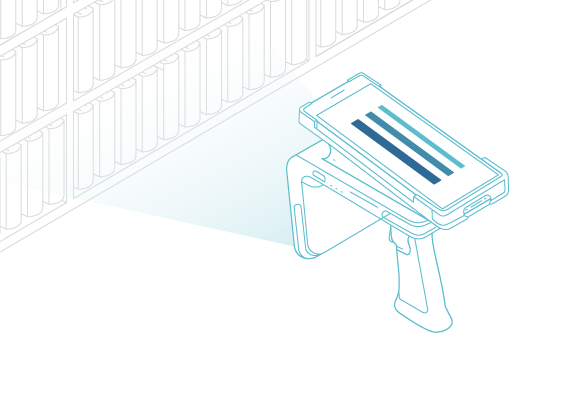
For students, RFID self-service can make it easier to borrow or return books without relying on the circulation desk for every transaction. For library staff, handheld RFID readers can help speed up stocktaking and assist with checking books within a defined shelf area. This can reduce repetitive manual scanning and leave more time for reader support and reading-promotion activities.
Schools planning an RFID upgrade can also review RFID library equipment and SIP2 integration before selecting devices and integration arrangements.
When compatible RFID equipment is connected to Library Go through SIP2, circulation information can be updated in the Library System as books are borrowed or returned. The exact workflow depends on the selected equipment and system configuration, but the objective is straightforward: physical book handling and library records should work together without creating additional manual steps.
This integration allows Library Go to support both the digital and physical sides of library operations. The system manages circulation records, item status, stocktaking results and reports, while RFID equipment supports faster and more convenient book handling in the library.
A Library System that can develop with the school
When reviewing a Library Management System, schools should first check whether it can manage catalogue data, circulation, item status, stocktaking and reporting. They should also consider data migration, staff training, support arrangements and compatibility with existing or planned RFID equipment.
The system should also reflect what the school expects from its library in the years ahead. Where a library is expected to support reading culture as well as daily operations, the school needs a platform that can help students discover books, participate in activities, reflect on reading and receive recognition for their effort.
Library Go is built for that wider role: a new-generation Library Management System for schools, with RFID-compatible workflows and AI-powered reading-promotion tools that help schools encourage students to read more.
written by: Smart Education Team
A leading Smart Library (RFID Library) provider in Hong Kong, we have helped over 100 schools improve resource management.
Our in-house Library GO is an AI-powered upgrade to traditional library systems, combining rapid RFID stocktaking, AI reading recommendations, data tracking and gamified features such as the “Creative Reading Card.” It reduces library workload while encouraging students to read, creating a smarter and more engaging library experience.
Media References: