
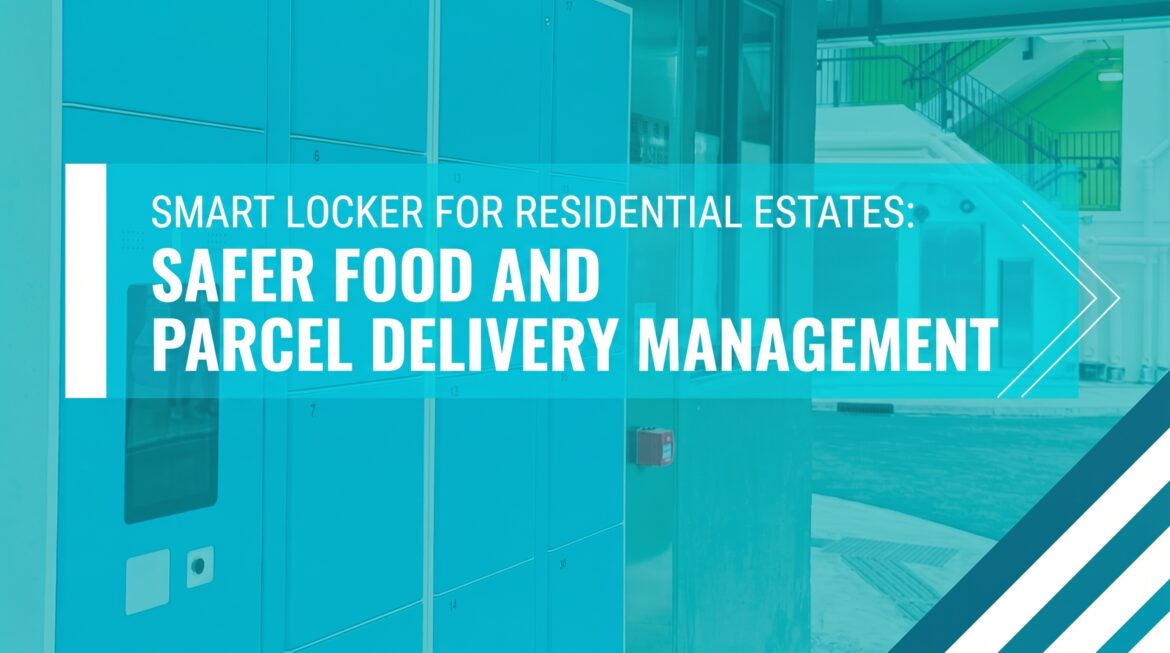
Smart Locker for Residential Estates: Safer Food and Parcel Delivery Management
Monday, 28 September 2026
Food delivery and online shopping have become part of everyday life in Hong Kong. For residential estates, however, the growing number of delivery riders, couriers and parcels has created new challenges for building security, access control and frontline operations.
Residents expect convenient delivery, while property-management teams need to maintain a safe, organised and pleasant living environment. As deliveries increase, traditional parcel-handling procedures may no longer be sufficient.
- Published in Insight
Strengthen O2O Member Redemption and Event Engagement with Smart Vending Machine
Wednesday, 09 September 2026
In recent years, brands, shopping malls, hotels and public organisations have increasingly invested in online membership programmes, mobile apps and digital marketing. Their objective is clear: turn online engagement into offline action while improving the overall customer experience.
- Published in Insight
以 Smart Vending (智能自助機) 強化 O2O 會員兌換與活動互動
Wednesday, 13 May 2026
近年,不少品牌、商場、酒店及公共機構積極發展 online membership programme、mobile app 及 digital marketing,希望將線上互動帶動至線下,並提升整體客戶體驗。 當會員需要到場兌換禮品或參與推廣活動時,前線人員仍然要處理排隊、核對資料及手動紀錄等工序,既佔用人手資源,亦容易影響參加者感受。
- Published in Insight

外賣與網購時代下的屋苑挑戰:物業管理如何重塑出入與保安?
Tuesday, 21 April 2026
外賣平台、團購、免運費網購,這幾年已經變成香港人生活的一部分。 有調查估計,本港最少有一萬多名外賣及送貨平台從業員,而主要平台訂單仍然每年上升,新玩家加入後,整體市場只會愈做愈大。
對住宅屋苑而言,最直接的變化,是出入口與樓層每天多了大量頻密出入的「非住戶」——外賣員、速遞員和各類平台送貨人員。 他們為住戶帶來方便,同時亦把原本相對簡單的出入管理,推向一個更複雜的階段。
- Published in Insight
告別全天候駐店:拆解 24 小時自助洗車與智能付款的低門檻創業模式
Thursday, 16 April 2026
不少有意發展新業務的經營者,在考慮實體服務時,第一個面對的難題往往不是市場需求,而是營運門檻。傳統模式涉及較高的人力成本、長時間駐場管理,以及繁複的日常營運安排,令不少人即使看見商機,也難以快速落地。相比之下,24 小時自助洗車結合智能付款系統,正正提供了一個更輕量、更具彈性的營運模式。
- Published in Insight