
Blog & Column
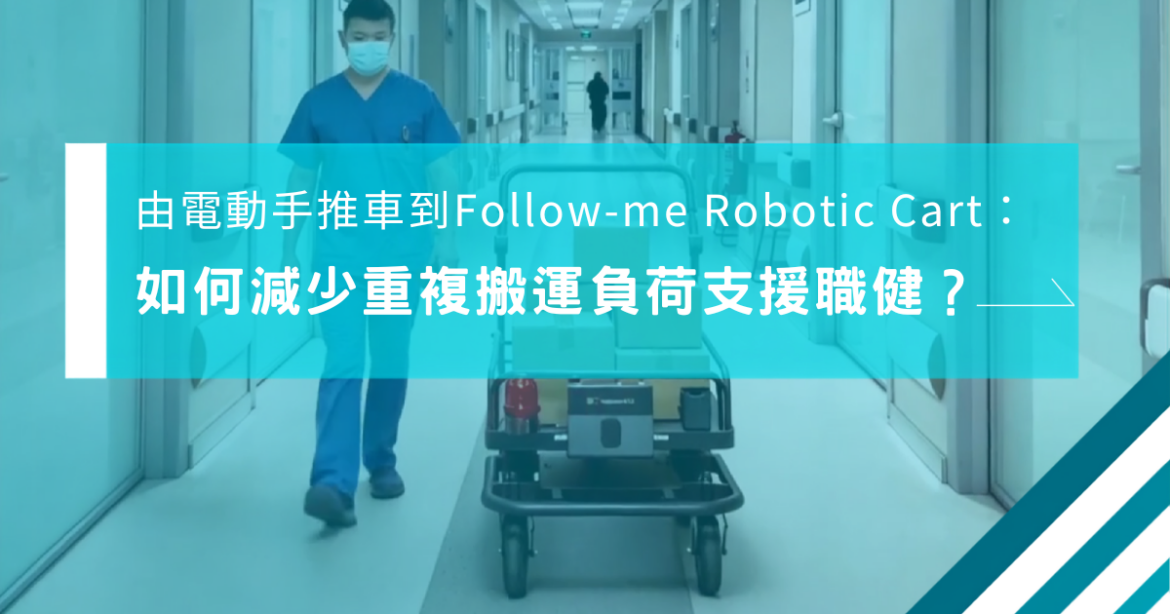
由電動手推車到 Follow-me Robotic Cart:如何減少重複搬運負荷,支援職安健?
Monday, 28 September 2026
在醫院、倉庫、工場、物業管理、酒店及大型設施中,物資運輸是每天都會發生的工作。無論是補給用品、工具、零件、清潔物資、布草、文件或設備,都需要由人員在不同工作點之間搬運。
不少企業關注貨物是否過重,但職安健風險往往不只來自一次提起重物,更來自每天重複出現的推、拉、搬運及跨區往返。當工作涉及高頻率配送、長距離推車、頻繁轉彎、狹窄通道、人流交錯或斜坡路段,員工的腰背、肩頸及上肢便會承受累積工作負荷。
- Published in Insight
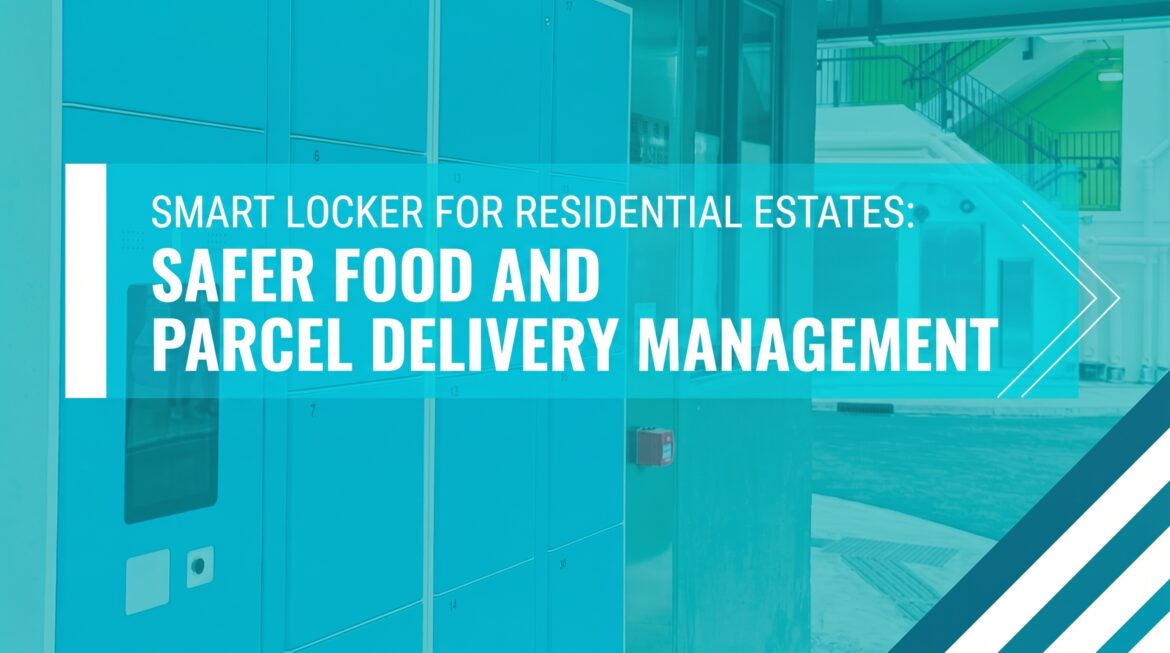
Smart Locker for Residential Estates: Safer Food and Parcel Delivery Management
Monday, 28 September 2026
Food delivery and online shopping have become part of everyday life in Hong Kong. For residential estates, however, the growing number of delivery riders, couriers and parcels has created new challenges for building security, access control and frontline operations.
Residents expect convenient delivery, while property-management teams need to maintain a safe, organised and pleasant living environment. As deliveries increase, traditional parcel-handling procedures may no longer be sufficient.
- Published in Insight
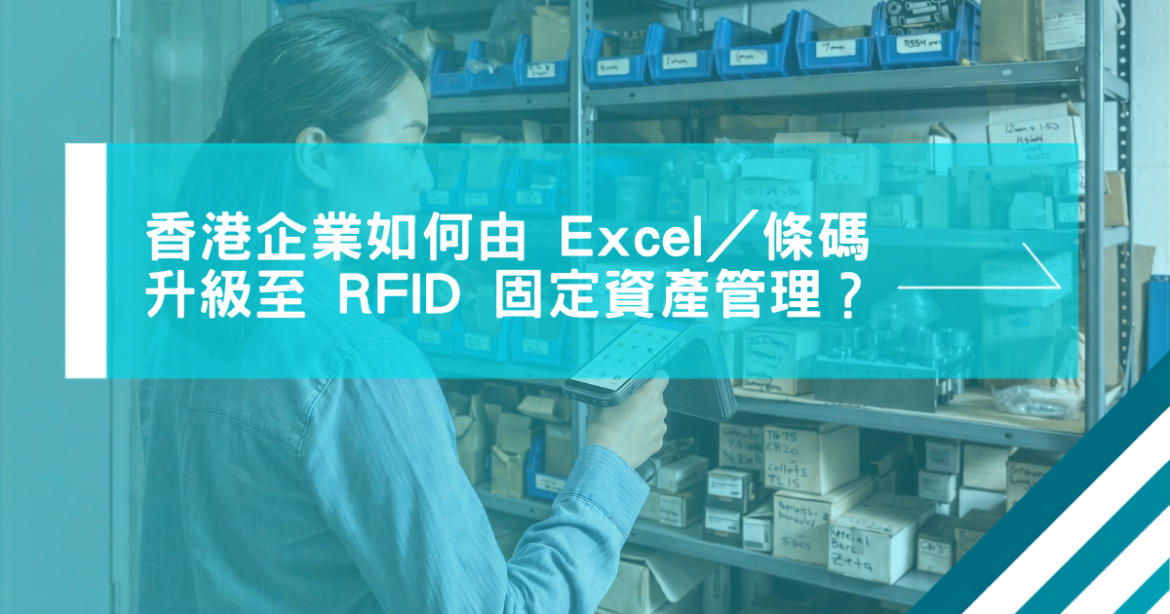
香港企業如何由 Excel/條碼升級至 RFID 固定資產管理?
Thursday, 24 September 2026
不少機構的資產清單一直都在 Excel:IT 部門有一份、行政部有一份、財務或採購又有另一份。平日看似運作正常,直至年度盤點、部門搬遷、設備借還或審計要求出現,大家才發現資料未必對得上實物。較完整的 Asset Management System,應該讓機構可追溯一件資產由採購、驗收、分配、使用、借還、維修到報廢的資料。
- Published in Insight
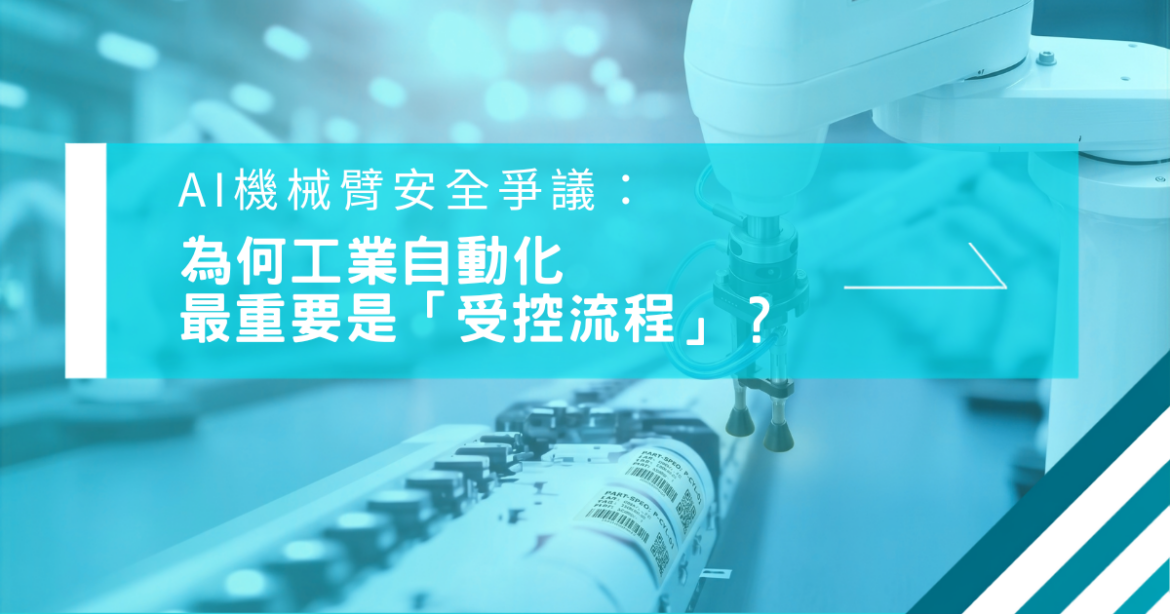
AI機械臂安全爭議:為何工業自動化最重要是「受控流程」?
Thursday, 24 September 2026
近年人工智能(AI)由文字生成、資料分析,逐步走向控制機械臂、機械人及各類實體設備。當AI開始「落手落腳」處理工作,企業關注的不再只是自動化效率,更包括設備能否在真實工作環境中保持安全、穩定、準確及可追溯。智能貼標系統如何能利用機械臂提升工作效能
- Published in Label Technology, Robotics
Library Go: Evolving from a Library Management System into an AI Reading Platform for Smart School Libraries
Thursday, 17 September 2026
A Library Management System supports the daily operation of a school library. It helps staff maintain catalogue and item records, process borrowing and return transactions, track item status, carry out stocktaking and prepare reports. These functions keep a physical collection organised and help students find and borrow books.
- Published in Insight

由管理館藏到培養讀者:Library GO如何超越傳統圖書館系統?
Friday, 11 September 2026
不少學校已有圖書館系統,能處理編目、借還、續借及館藏查詢等日常工作。不過,當學校希望進一步培養學生的閱讀習慣、提升參與度,以及讓閱讀推廣不只集中在閱讀週或單次活動時,傳統系統的功能未必足夠。
- Published in Insight, Smart Education

【iMoney 名家專欄】【出海思維】香港企業走出去 IT系統也要「走出去」嗎?
Friday, 11 September 2026
香港企業「出海」已不再只是大型企業的專屬策略。特區政府去年成立「內地企業出海專班」,今年3月更推出專題網站及跨界別專業服務平台,涵蓋金融、法律、物流、通訊科技等八大領域,協助企業經香港拓展海外市場。政府亦指出,內地有超過 5,000 萬家中小企業,不少正積極尋求海外市場,以擴大業務規模、建立國際品牌並分散經營風險。
- Published in Insight
Strengthen O2O Member Redemption and Event Engagement with Smart Vending Machine
Wednesday, 09 September 2026
In recent years, brands, shopping malls, hotels and public organisations have increasingly invested in online membership programmes, mobile apps and digital marketing. Their objective is clear: turn online engagement into offline action while improving the overall customer experience.
- Published in Insight
公立醫院如何做好醫療設備盤點?從 RFID 資產追蹤到採購規劃
Thursday, 03 September 2026
對公立醫院的採購及物料管理團隊(Procurement and Materials Management, P&MM)而言,醫療設備盤點(medical equipment stock-take)從來不只是「到 ward 點數」。
每次盤點前,團隊需要界定範圍、準備資產清單、安排人手,並與不同病房(ward)及部門協調時間。盤點期間,同事需要逐件核對設備的資產編號、數量和狀態。盤點完成後,還要整理資料、比對紀錄、跟進差異項目,以及準備可供審核(audit)、維修跟進和採購規劃(procurement planning)使用的報告。
- Published in Insight