
Blog & Column

【iMoney 智富雜誌】從自動化走向智能決策:香港「智慧健康醫療」的可行之路
Tuesday, 06 January 2026
踏入2026年,本港多項公共收費及罰款均上調,其中公營醫院住院服務、急症室、門診服務(街症)、藥物等收費均有加價,反映在財政壓力下推動「開源」的現實需要。與此同時,香港經濟尚未完全回暖,各行各業都面臨「要節流、又要提效」的挑戰,醫療體系亦不例外。前線人手緊張,加上人口老化帶來的醫療需求持續上升,令醫療服務壓力倍增。在此背景下,政府近年積極推動「智慧醫療」(Smart Health Care),希望透過數碼化、自動化及AI技術提升整體服務效率與準確度。
- Published in Insight

介乎合規同效率之間:香煙完稅標籤制度下的智能貼標思考
Monday, 22 December 2025
香煙完稅標籤制度要求在香港供應或銷售的香煙零售封包,必須在進入市場前已附有有效完稅標籤,以支援控煙政策及打擊私煙。這不僅改變稅務與執法環境,也令煙草供應鏈每個環節都要回應是否已貼標及資料是否可驗證這兩個問題。企業一方面需要嚴格符合法規及未來可能加重的罰則與稽查,另一方面仍要在有限人手、場地及系統條件下維持效率,令香煙完稅標籤制度下是否採用智能貼標或自動化成為必須認真評估的課題。
- Published in Label Technology

超越圖書管理系統的界限:Library Go如何推動學生閱讀熱誠
Friday, 19 December 2025
在香港,多數學校已使用圖書管理系統處理日常行政工作,例如學生借還圖書、管理館藏或製作報表等。這類系統的設計重點在於「管理」,幫助學校更有效率地營運圖書館。
- Published in Insight, Smart Education

香港 RFID 方案專家指南:選擇最佳的 RFID 方案公司
Friday, 12 December 2025
在香港,越來越多機構開始採用 RFID 方案 來提升營運效率,例如醫院用來管理藥物與醫療物資、學校升級智能圖書館、企業優化倉儲與資產管理等。要讓這些項目真正落地,關鍵不只是「買對硬件」,而是要揀到一間專業可靠的 RFID 方案公司 作為長期合作夥伴,而當中以深耕本地多年的 Million Tech 特別值得關注。
- Published in Insight

香港機構如何由條碼升級至 RFID 及 IoT:實務路線圖與關鍵考慮
Friday, 12 December 2025
在香港,不少機構已沿用條碼系統多年,於庫存管理、出入庫記錄及資產盤點方面建立了穩定基礎。 隨着業務規模擴大、合規要求提高,以及對自動化與數據透明度的需求日益增加,單一依賴傳統條碼的做法,愈來愈難完全滿足營運及管理上的新要求。
- Published in Insight

【cpjobs】香港創科在內外夾擊中求變:從防禦走向進擊
Friday, 05 December 2025
在當前經濟低迷、高利率環境與企業謹慎態勢下,本地市場情緒低落,科技創新領域亦難免受波及。與此同時,內地科技公司紛紛進駐香港,新舊勢力交織,正悄然重塑產業格局。
- Published in Insight
學校升級 RFID 智能圖書館:SIP2 接駁、圖書館系統與成本考慮
Friday, 28 November 2025
近年,不少學校都開始規劃升級為 RFID 智能圖書館,希望透過自助借還、電子點書及更靈活的數據分析,提升整體圖書館服務質素。由於牽涉圖書館系統、RFID 圖書館 設備及校內網絡環境,如何在現有基礎上穩定接駁,成為學校在決定方案前非常關心的一環。
- Published in Insight, Smart Education
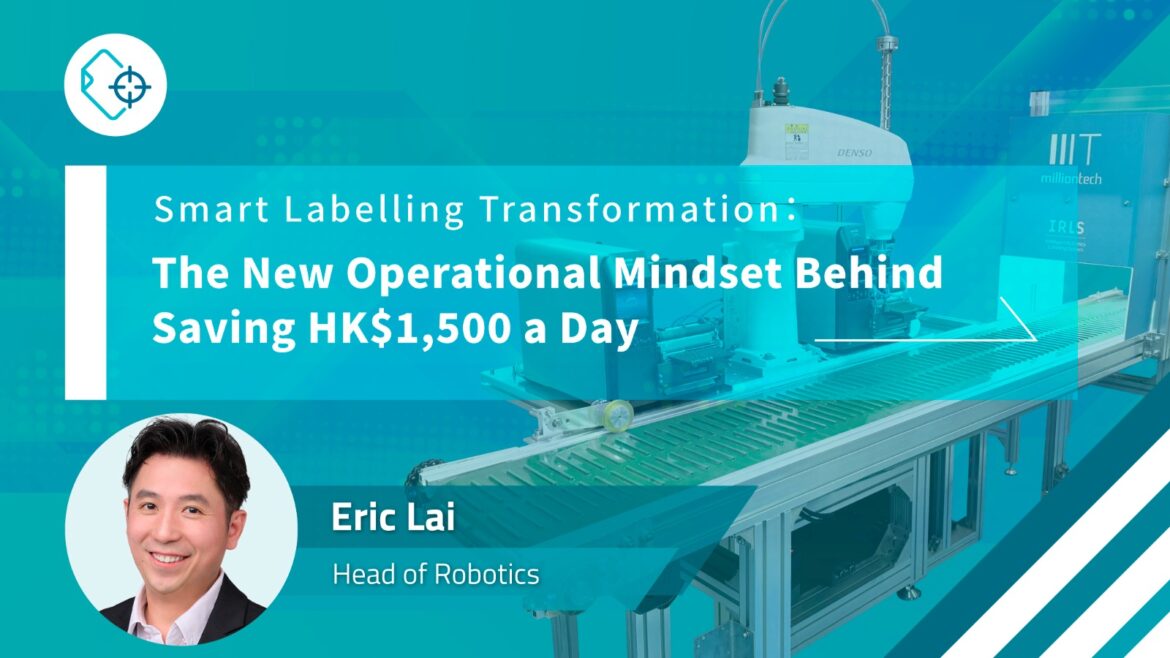
Smart Labelling Transformation: The New Operational Mindset Behind Saving HK$1,500 a Day
Monday, 10 November 2025
Hong Kong companies have long relied on manual labour for labelling processes—a system plagued by complexity, errors, and high costs that limits production efficiency and increases management difficulties. In response, more local enterprises are embracing digitalization, and by adopting Million Tech’s robotic labelling system, they are able to immediately reduce manpower, increase labelling speed and accuracy, and lay a solid foundation for long-term competitiveness.
- Published in Label Technology

【iMoney智富】外勞潮下的人才荒:中年IT人如何突圍與轉型?
Tuesday, 28 October 2025
香港經濟環境日益嚴峻,筆者早前出席一個中小企聚會,得悉一項對本地企業經營者或高管的調查,有逾半受訪者(54.6%)認為市場波動或需求放緩,22.7%更直言已進入「收縮期」;而對2026年的展望,45.5%預測將出現「輕微下滑至重大挑戰」,36.4%只期待「溫和好轉」。
- Published in Insight